To truly appreciate the essence of a picnic, let's step back to the 17th century under Louis XIV's reign, when Molière staged his final play. This era birthed the picnic as a way to reconnect with nature amid elaborate outdoor feasts. Etymologically from the French 'pique-nique,' meaning 'to peck at simple things,' the picnic is a standalone meal that thrives with thoughtful planning.
The Golden Rules for a Successful Picnic
For a seamless experience, follow these expert tips:
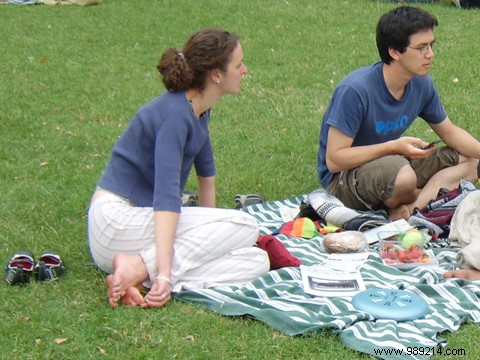
Picnics shine by escaping routine dining spots, adapting to diverse locations based on your mood.
A forest picnic reconnects you with nature amid dappled light, birdsong, and earthy scents. Opt for a folding table to deter insects—while some enjoy them as delicacies, most prefer bug-free bites. Supervise children closely against hidden hazards like snakes, and confirm it's public land to avoid interruptions.
The beach offers serene family lunches at midday or romantic sunsets for couples. Pack a parasol against sneaky sun and wind; skip peak hours. A tablecloth keeps sand out of snacks.
Don't overlook your own garden—ideal for short-weather days, larger groups, barbecues, and fresh produce, fostering effortless conviviality.
Ditch basic sandwiches for balanced, imaginative fare. Embrace the picnic for your five-a-day fruits and veggies effortlessly. Savory options abound: cold pies like tomato tarte tatin or salmon quiche, plus vibrant mixed salads.
Fruits make portable, mess-free desserts. Always pack plenty of drinks for hydration.
Minimize environmental impact with these practices:
