While pre-packaged fruit and vegetable juices from supermarkets offer convenience, nothing compares to the freshness and nutrition of homemade varieties. That's where a juice extractor shines in your kitchen.
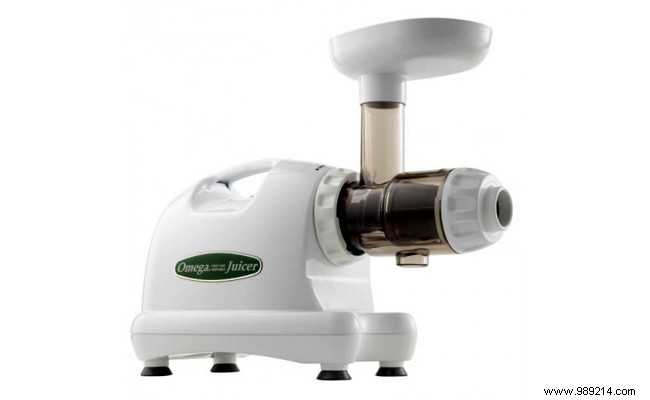
Today's market overflows with appliances for making fresh juices, from blenders to juicers and extractors. Each has pros and cons, but for optimal health benefits for you and your family, nothing beats the fresh juice from a dedicated extractor.
Blenders and high-speed juicers (centrifuges) rotate at around 15,000 RPM, turning produce into mush and generating heat that degrades vitamins and minerals. In contrast, a juice extractor mimics human chewing, gently extracting juice without pulverizing the food.
Using cold-press technology, it operates at just 50 RPM, preserving every nutrient, vitamin E, and mineral salt. The result? Superior-quality juices that retain natural flavors without heat-induced distortion.
Unlike commercial juices that undergo flash pasteurization, homemade extractor juices are easier to digest, promote better gut health, and allow immediate nutrient absorption. Free from preservatives and additives, they're undeniably healthier.
Extractor juices stay fresh longer due to minimal oxidation—produce never contacts air during pressing. These versatile machines also whip up soups, compotes, and sorbets.
Choose from two main categories:
Affordable and straightforward, manual extractors rely on arm strength for an ultra-slow press, yielding the highest-quality juice. They're portable, easy to clean, but best for small batches—not ideal for large families or heavy use.
For larger yields, electric extractors (vertical or horizontal) let the motor handle the work. Still, pre-cut your fruits and vegetables for best results.
