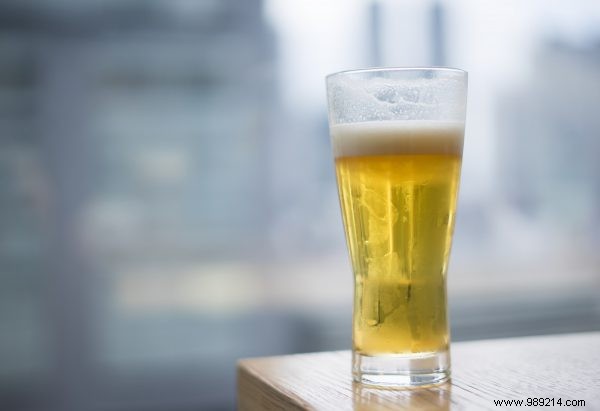
Non-alcoholic beer has gained massive popularity, letting you enjoy beer's classic taste without the alcohol's effects. But quality varies widely—what should you prioritize for smarter choices?
Radler mixes beer with soft drinks, and the non-alcoholic kind packs 30 calories per 100 ml—far more than standard non-alcoholic beer. Sugary drinks harm teeth and raise risks of diabetes and obesity. Opt to skip it or limit to one.
Read also: 'The benefits of drinking less alcohol'
Some non-alcoholic beers have trace alcohol, around 0.1%. In certain countries, it can reach 0.5%. Not highly risky, but worth knowing. Choose bottles or cans labeled 0.0% for guaranteed alcohol-free.
Nutritional differences are stark. Budweiser Zero has 15.5 calories per 100 ml, while Sportzot from Brouwerij De Halve Maan contains 41 calories per 100 ml.
Absolutely—non-alcoholic beer beats alcoholic versions. Alcohol delivers about 7 calories per gram; a 33 cl can of regular beer totals roughly 139 calories, versus 70 in non-alcoholic. It also provides vitamins, minerals like calcium, phosphorus, magnesium, and B vitamins, plus anti-inflammatory polyphenols. The Nutrition Center notes these are beneficial but best sourced from fruits and vegetables, not just beer. For top health, stick to water, tea, or coffee.
On sugars, non-alcoholic beer wins: about 6 grams per serving versus 11 grams in orange soda or cola. Beer's sugars derive naturally from barley and hops, unlike added sugars in sodas. Caveat: radlers and similar add fruit juice, spiking sugar higher than plain non-alcoholic beer.
Post-exercise, pick non-alcoholic beer over regular to avoid undoing burned calories. It replenishes with potassium, natural carbs, B vitamins for energy recovery. Plus, it's isotonic, enabling quick uptake of water, carbs, minerals, and vitamins—quenching thirst and kickstarting recovery.
