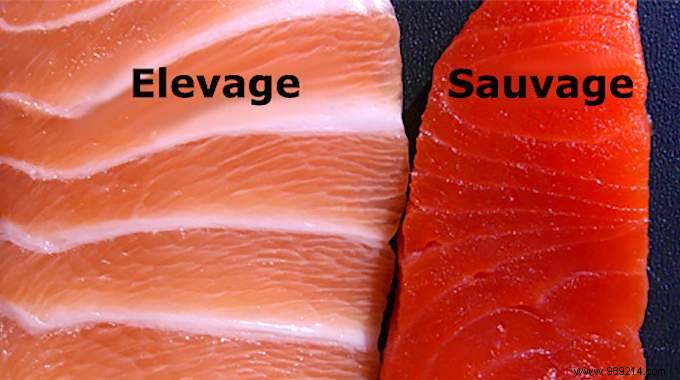
Eating fish is widely regarded as beneficial for health. However, experts caution that farmed salmon presents significant concerns.
In the documentary "Fillet Oh Fish," director Nicolas Daniels exposed shocking conditions in Norwegian fish farms, including a 15-meter-high mountain of waste composed of bacteria, antibiotic residues, and pesticides.
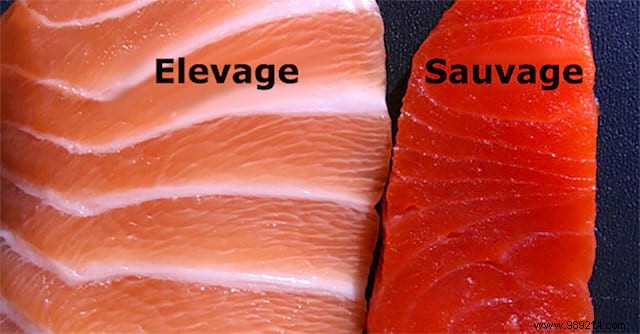
Dr. Joseph Mercola highlights ongoing issues in modern fish farming, such as sea pollution causing genetic mutations in fish. Studies indicate farmed salmon is five times more toxic than other tested foods.
Norwegian environmental activist Kurt Oddekalv describes farmed salmon as one of the most toxic foods in the world and calls salmon farming "a disaster for the environment and our health."
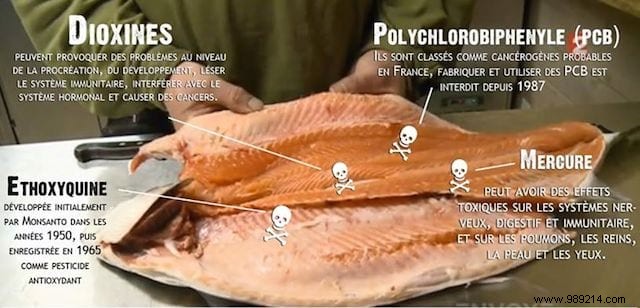
"I strongly recommend that pregnant women and children avoid farmed salmon due to its toxic contaminants," advises Dr. Anne-Lise Birch Monsen, a biologist at the University of Bergen, Norway. These toxins may impair brain development and immune function.
Consuming farmed salmon more than once a month raises cancer risk due to elevated dioxins and other toxins.
As health-conscious consumers, it's crucial to select food sources wisely, understanding their origins and contents for optimal well-being.
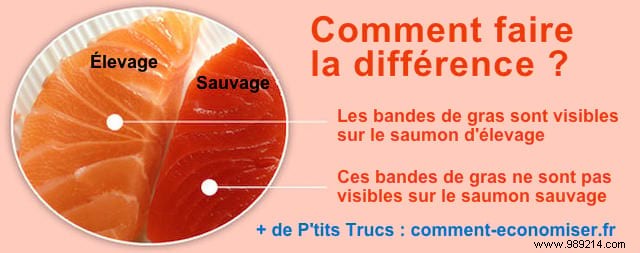
Given the toxicity concerns with farmed salmon, distinguishing it from wild varieties is essential to avoid mistakes at purchase. Opt for wild salmon for higher quality. Use the guide above to differentiate them.
Do you typically eat farmed salmon? Will these insights prompt a change in your habits? Share your thoughts in the comments!
