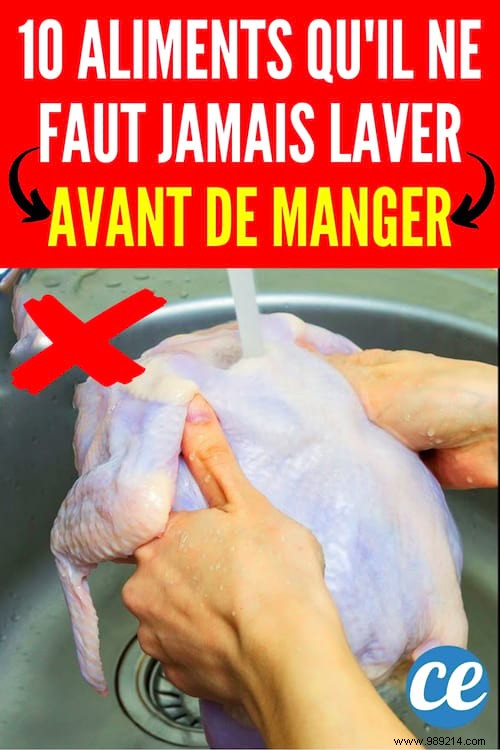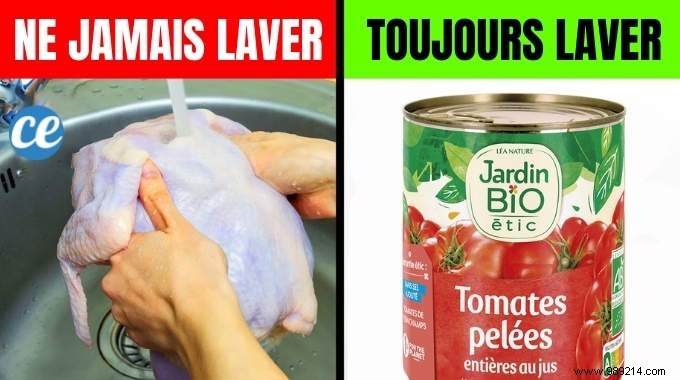
Not all foods need a rinse before cooking. In fact, washing some can spread bacteria or ruin texture and flavor. Discover which 10 to skip and 8 to always wash, based on food safety guidelines from experts like the USDA and FDA.
While rinsing fruits and veggies removes pesticides and dirt, other items fare worse under water. Here's how to handle each properly.
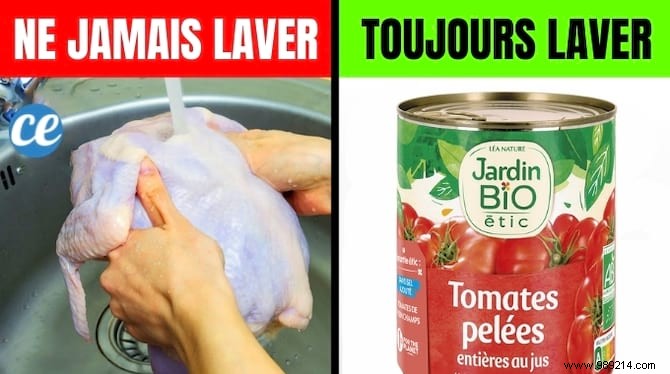
Washing produce is a smart habit, especially post-COVID, as recommended by food safety authorities. It eliminates bacteria, dirt, and pesticides. However, not every food benefits.
Reasons to skip: Water can dilute flavors, create sogginess, or worse—spread bacteria like Campylobacter or Salmonella via cross-contamination. Cooking kills most pathogens anyway.
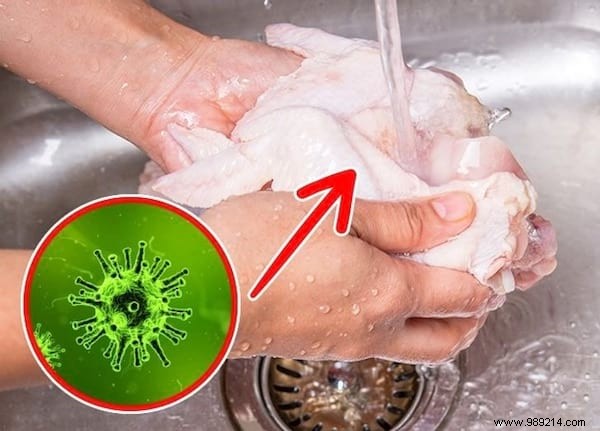
Rinsing chicken spreads bacteria around your sink and counters, increasing cross-contamination risks. Raw poultry harbors Campylobacter and Salmonella, which cold water won't kill.
Instead, pat dry with paper towels and sanitize surfaces. For cleaning, use lemon or vinegar—they effectively reduce bacteria without splashing.
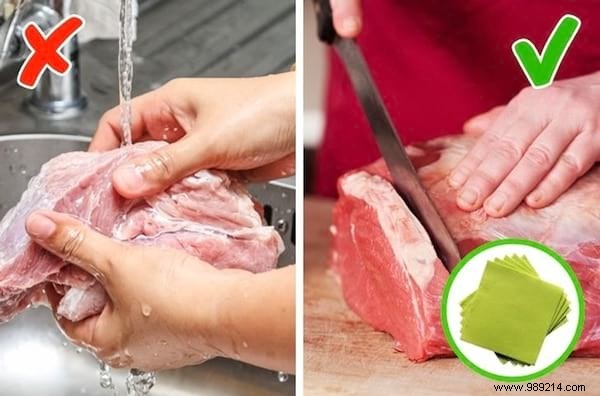
The same risks apply to beef, pork, lamb, or veal. Water promotes bacterial growth and adds moisture, leading to steaming instead of searing and altering taste.
Dab with paper towels to remove juices, wash hands thoroughly, and cook to safe temperatures.
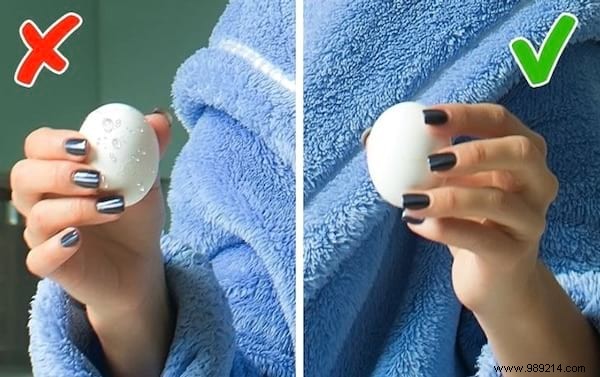
Eggshells are porous. Washing removes the natural protective coating (cuticle), allowing bacteria like Salmonella to enter.
For dirty shells, gently brush them dry. Store-bought eggs are typically clean.
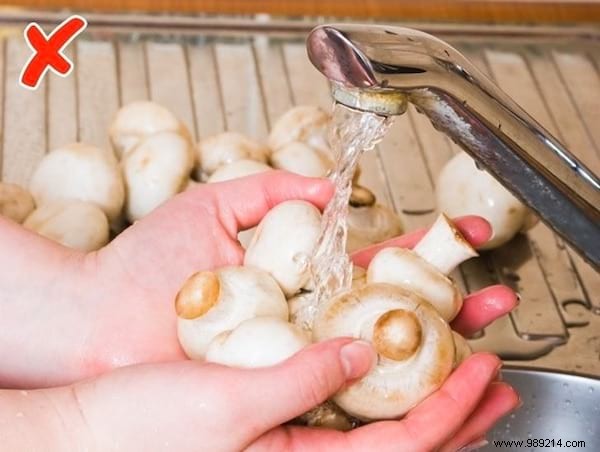
Mushrooms absorb water like sponges, becoming mushy and bland while spoiling faster. Store-bought ones are pasteurized and clean.
Brush off dirt or trim stems instead.
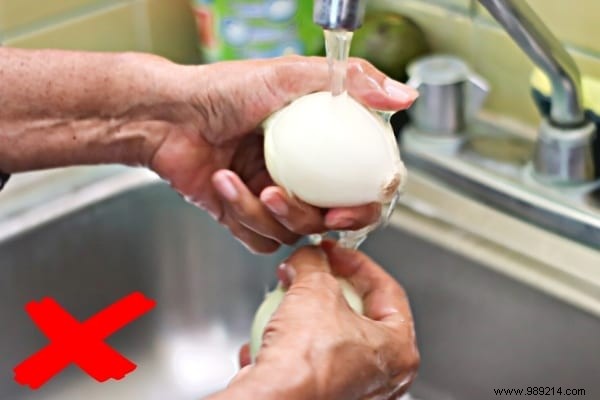
The thick outer skin protects the flesh. Once peeled, skip the water—same for garlic and shallots. A quick rinse is optional to tame pungency.
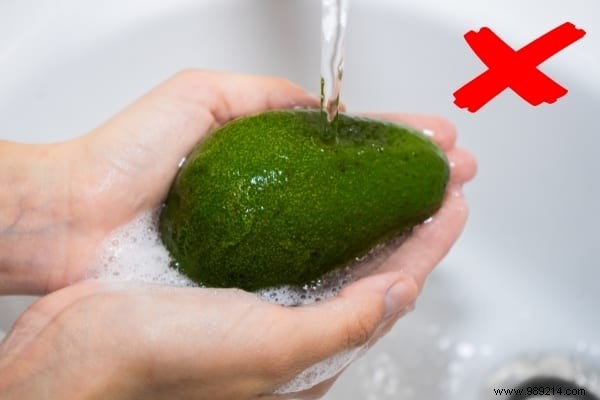
Tough skin blocks pesticides. Washing invites moisture inside post-cutting, speeding oxidation. Eat flesh directly after pitting.
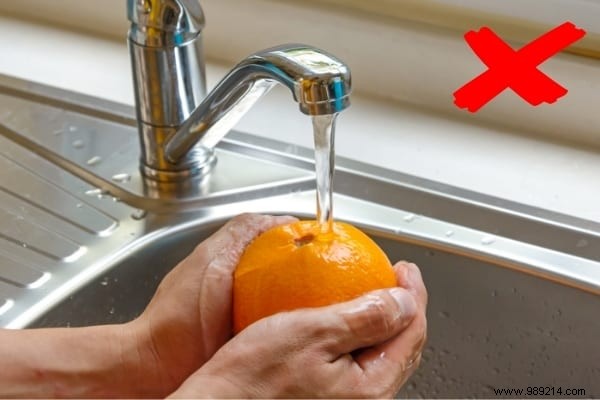
Skins on bananas, oranges, kiwis, melons, and mangoes shield the edible parts. No rinse needed, though it's harmless if you do.
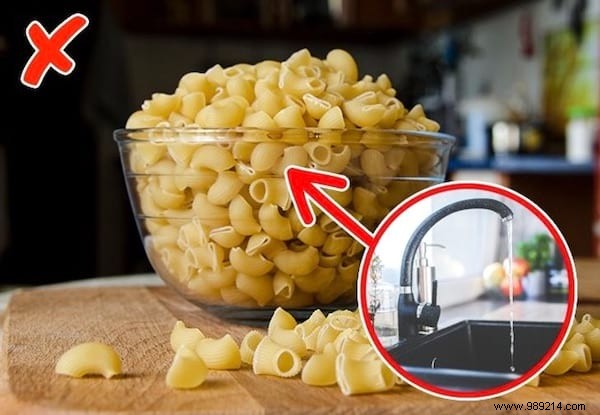
Dry pasta's surface starch helps sauce cling. Packaged varieties are bacteria-free. Rinse only post-cooking for cold salads.
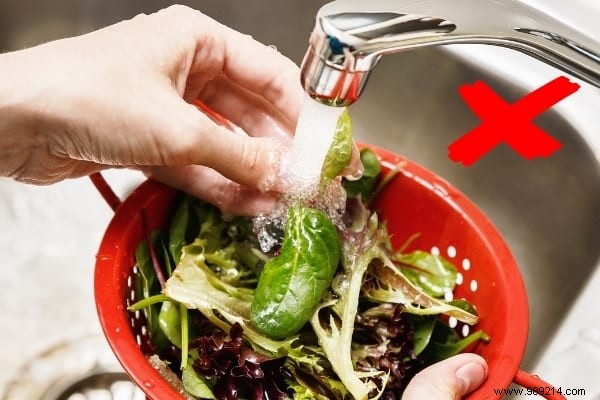
Pre-washed and ready-to-eat—re-rinsing risks home bacteria contamination. That's why you buy them for convenience.
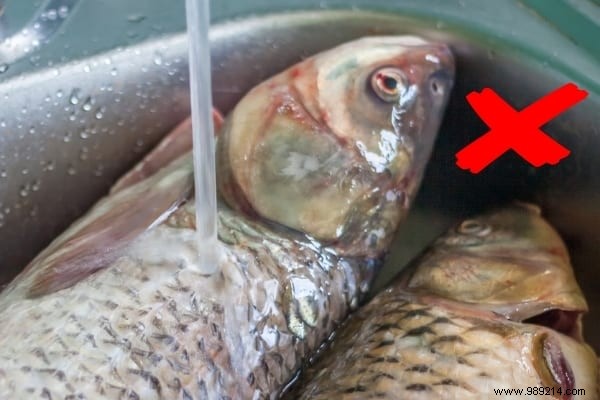
Water splashes bacteria everywhere. Opt for pre-gutted fish from trusted sources, clean surfaces, and wash hands.
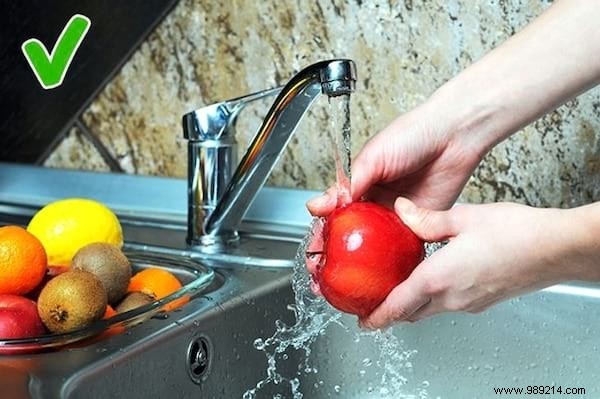
Apples, berries, carrots, and potatoes carry pesticides and dirt. Rinse under cool water—no soap—and pat dry. Organic or not, it's essential.
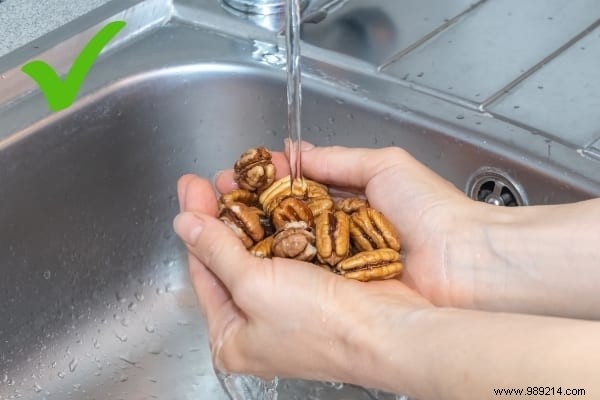
Especially shelled ones: Unknown storage means potential contaminants. Washing removes phytic acid, which can hinder nutrient absorption.
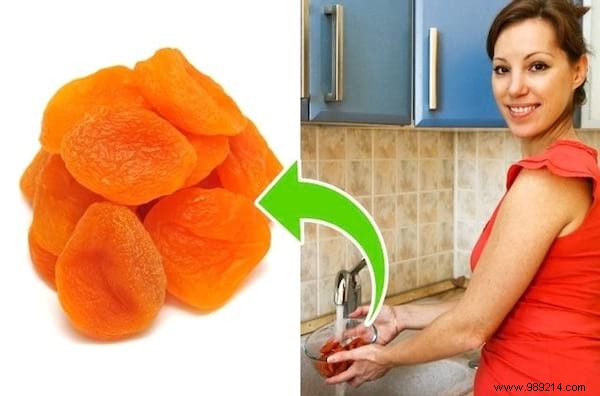
Bulk nuts are among the dirtiest foods due to handling. Soak shelled nuts in water for hours to clean thoroughly.
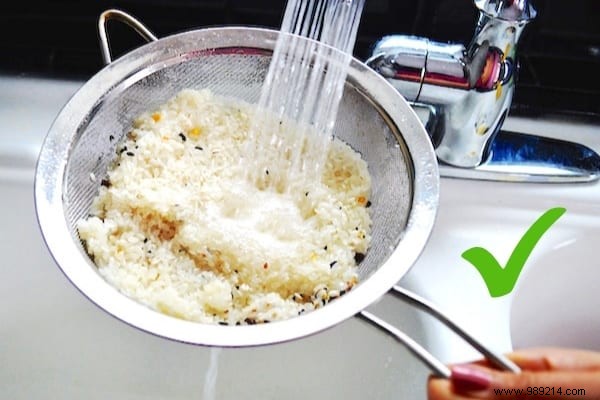
Rinse to remove excess starch for fluffier grains and any residues (rare talc in imports). Skip for risotto to preserve creaminess.
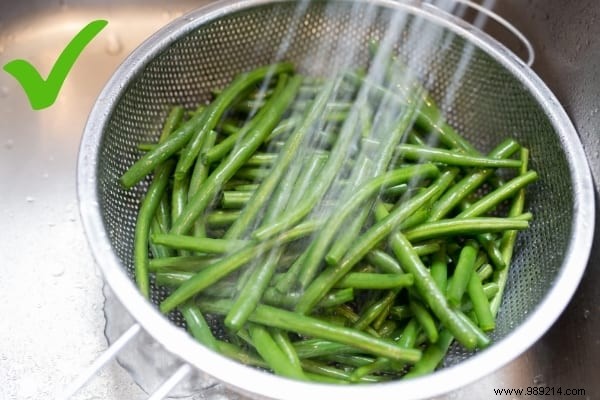
Drain and rinse to cut sodium. Pat dry before roasting or sautéing to avoid steaming.
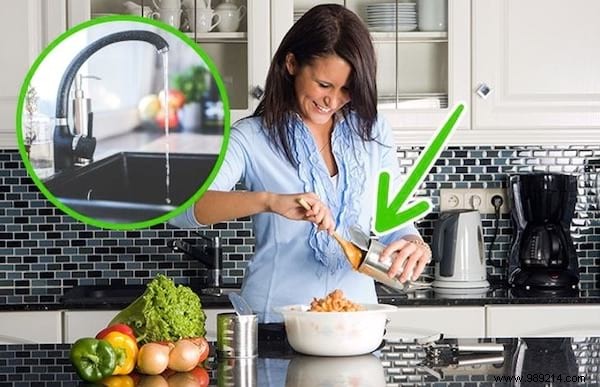
Cans arrive dusty and germy from transport. Wipe lids before opening; pour into glasses if needed.
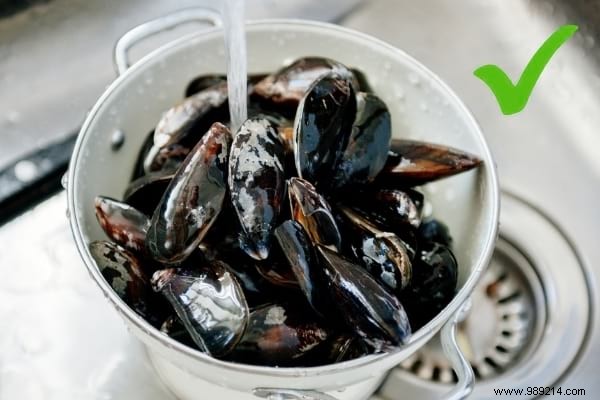
Rinse shellfish to purge sand: Soak in salted cold water in the fridge for 30 minutes, then scrub beards.
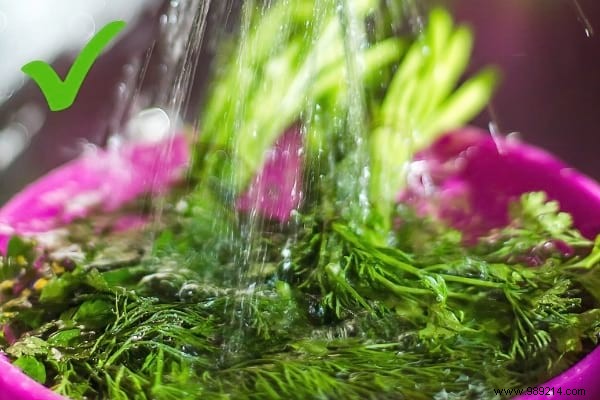
Dirt clings to leaves from garden or market. Rinse under running water or soak, then spin or pat dry before storing or using.