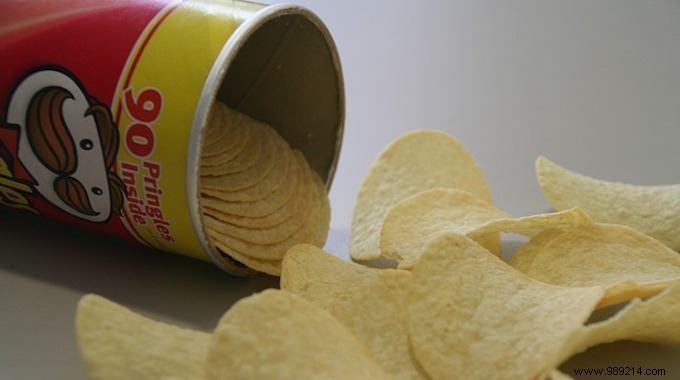
Many supermarket foods—up to 90% by some estimates—contain processed ingredients with minimal nutritional value. Research suggests certain additives may pose health risks over time.
The good news? You have the power to choose what nourishes your body. Take control of your diet and well-being today.

Ready to make informed choices? Here's a list of 10 additives backed by studies to limit for a cleaner diet:
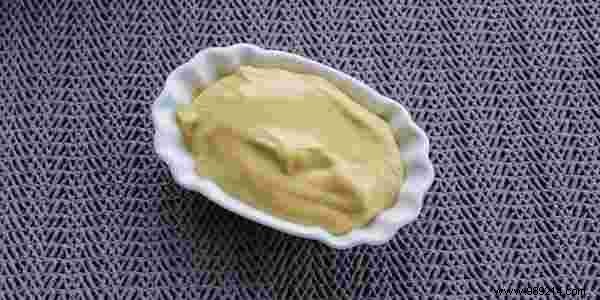
What is it? Sodium benzoate is a common preservative that inhibits mold growth in foods.
When combined with vitamin C or E, it can form benzene, a known carcinogen. It may also impair mitochondria function, reducing cellular oxygen, and has been linked to attention deficit disorder in children.
What foods to avoid? Look for E211 in fruit juices, pickles, salad dressings, and condiments like mustard.
What is it? These synthetic antioxidants prevent fat oxidation in processed foods. They are suspected allergenic and carcinogenic.
Natural vitamin E offers a safer alternative, commonly used in organic products.
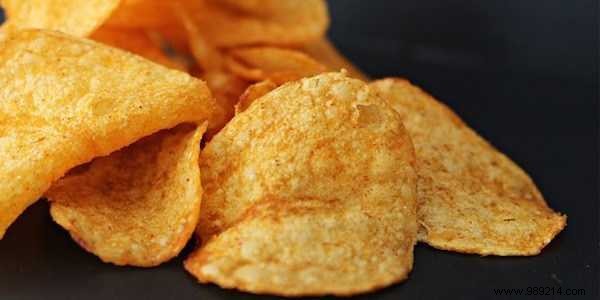
What foods to avoid? Check for E320 (BHA) and E321 (BHT) in crisps, cereals, lard, butter, canned meats, beer, cookies, and gum.
What is it? MSG is a flavor enhancer that targets the hypothalamus, disrupting leptin—the satiety hormone—and promoting overeating.
As an excitotoxin, it boosts dopamine like certain drugs, and is linked to liver inflammation and dysplasia.
What foods to avoid? Found as E621 in canned soups, fast food, chips, Chinese dishes, sauces, and dressings.
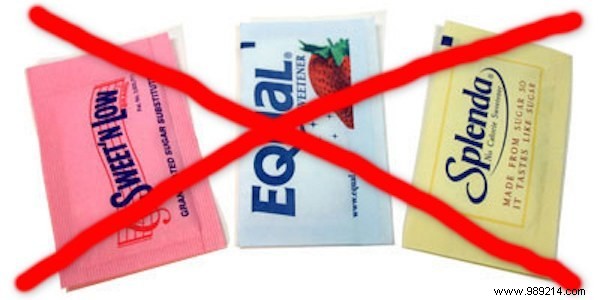
What is it? These sugar substitutes alter gut bacteria, potentially raising risks of diabetes and obesity.
Studies show women consuming two sweetened drinks daily face a 50% higher risk of cardiovascular mortality.
What foods to avoid? Common in sodas, low-fat yogurts, juices, gum, and candies. Watch for E950 (acesulfame potassium), E951 (aspartame), E954 (saccharin), and E955 (sucralose).
To explore natural sugar alternatives, check our dedicated article.
What is it? Used to strengthen and whiten bread dough, it's classified as carcinogenic, linked to kidney and thyroid tumors.
Though mostly broken down in baking, residues persist in some products.
What foods to avoid? Listed as E924 in U.S. fast food buns, frozen pizzas, and baked goods (banned in EU, Canada, Brazil, China).
What is it? This toxic compound forms naturally in foods cooked above 120°C, acting as a potent carcinogen.
What foods to avoid? Limit crisps, fries, coffee, toasted nuts. Note: It's also in cigarette smoke.
What is it? A preservative and color fixer in meats, suspected carcinogen associated with pancreatic cancer in studies.
What foods to avoid? Found as E250 in sausages, bacon, and canned meats.
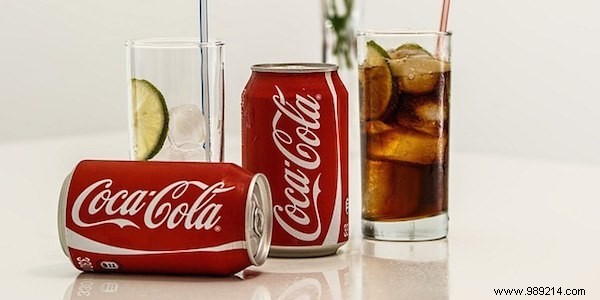
What is it? Also called glucose-fructose syrup or isoglucose, derived from corn starch; linked to diabetes and obesity.
What foods to avoid? In sodas, chocolate, juices from concentrate, cereals, and condiments.
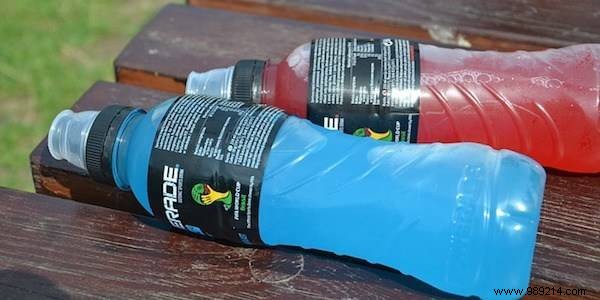
What is it? An emulsifier in drinks containing bromine (like in fire retardants), tied to heart and thyroid issues.
What foods to avoid? As E443 in sodas and sports drinks like Gatorade (banned in EU, Japan, Australia).
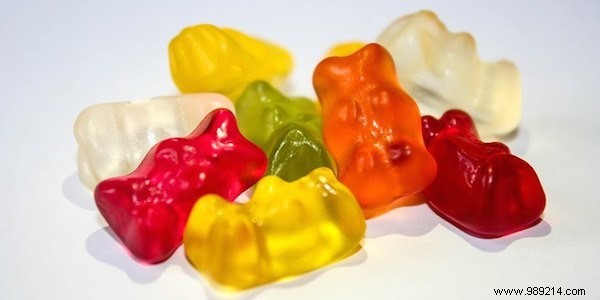
What is it? Synthetic dyes linked to thyroid, bladder, kidney, and brain cancers.
What foods to avoid? Avoid E132, E133 (blues), E143 (green), E127 (red), E110 (yellow) in candies, cereals, bars, meals, and juices.
Opt for organic foods whenever possible. Organic standards strictly limit additives, promoting safer eating.
While pricier, bulk buys of staples like rice, pasta, and yogurts keep costs down. Investing in organic means investing in toxin-free health.
What's worth more than your well-being? Share other additives to avoid in the comments—we'd love to hear from you!
