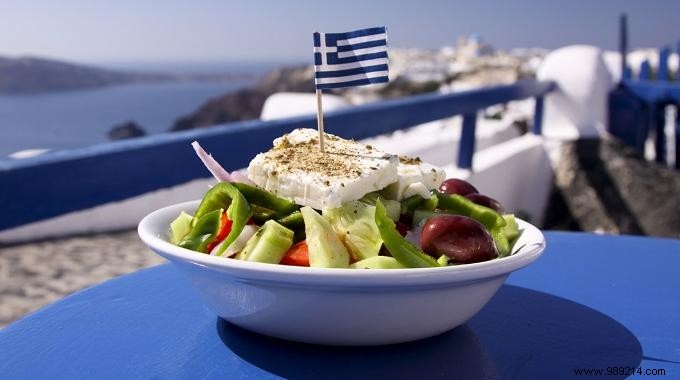
Embracing the Cretan diet is a powerful step toward protecting your health, especially for preventing cardiovascular diseases while supporting stable weight.
As someone who's lived this firsthand, I can attest to its transformative impact. A few years ago, my husband suffered a sudden heart attack, leading us to adopt this diet. Post-event dietary changes are crucial, but prevention is even more vital.

The exceptional longevity of Cretans is closely tied to their traditional diet. Free from excess weight, they enjoy extended lifespans due to this flavorful, balanced approach that shields against heart disease.
It emphasizes abundant cereals, fruits, vegetables, and fish prepared with olive oil. White meats and eggs play a smaller role, with moderate red wine permitted.
- Fresh, cooked, and dried fruits
- Raw and cooked vegetables
- Whole grains and cereals
- Fatty fish at least 3 times weekly
- White meats and eggs in moderation
- Herbs and spices for flavor and health benefits
- Sheep or goat cheese, skim milk, and low-fat yogurts
- Whole-grain bread
- Olive oil as the staple, with options like soy or rapeseed oil
And... 1-2 glasses of red wine daily!
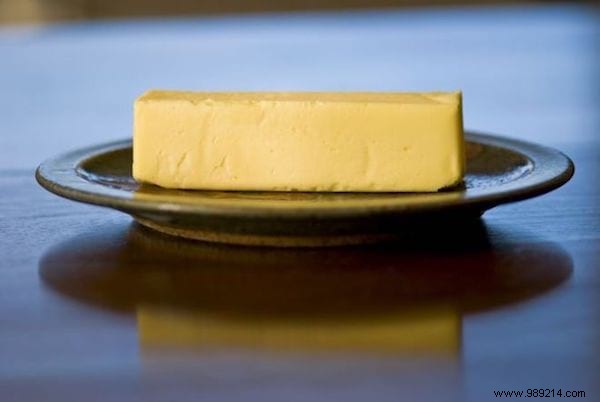
- Butter and margarine (replace with olive oil, even in baking)
- Refined sugar (honey is a welcome alternative)
- Red meats (high in saturated fats that raise cholesterol)
- Cow's milk dairy products
This diet promotes longer, healthier living by combating bad cholesterol and safeguarding your well-being. It excels at preventing heart disease, lowering diabetes risk, and maintaining ideal weight.
My husband, a former red meat enthusiast, was initially skeptical when our dietician outlined these guidelines. As an avid home cook, I won him over with delectable recipes. We indulge occasionally once a week, resuming the diet the next day.
Adopting the Cretan diet ensures sustained health and vitality.
Have you tried the Cretan diet? Share your story in the comments—we'd love to hear from you!
