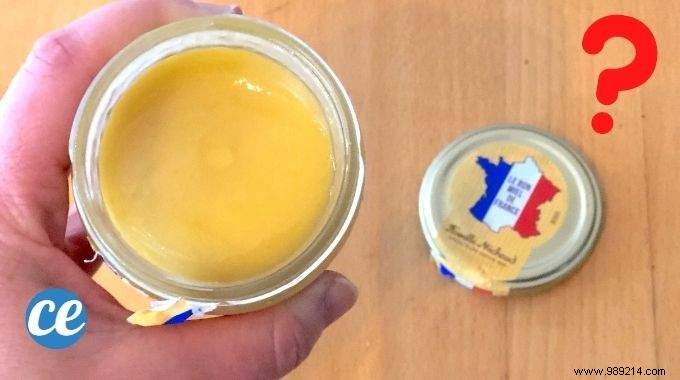
Spotting real honey from fakes isn't always straightforward. Many imported honeys from Asia are actually just glucose, water, and gelatin mixtures.
So, how do you buy authentic honey and enjoy its full health benefits? A seasoned beekeeper shared these expert tricks with me to distinguish pure honey from counterfeits.
Here are 8 reliable tests for recognizing real honey and avoiding scams:
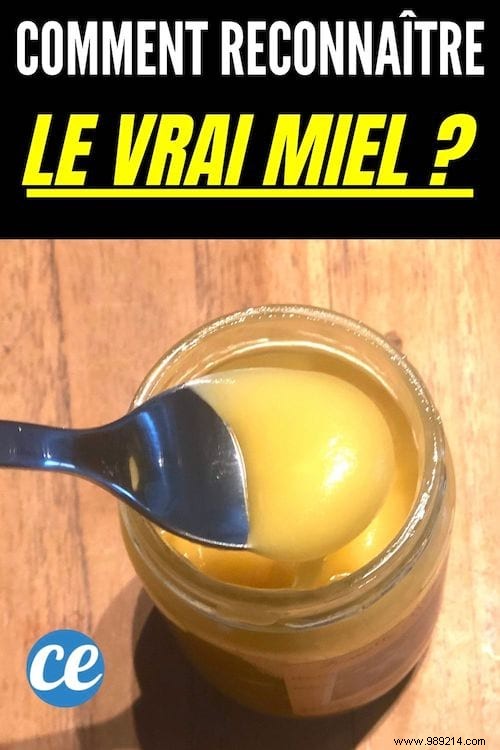
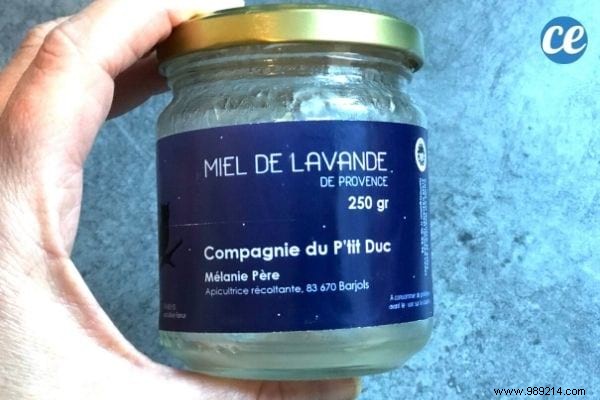
Whenever possible, purchase honey directly from a local beekeeper. You can ask questions, visit their apiary, and even make it a family outing.
Beekeepers reserve the best honey for personal use and sell the rest to big manufacturers. Opting for local ensures top quality.
If local French honey is unavailable, choose European or South American varieties. Avoid those labeled "Outside the European Union," as many originate from China and may be adulterated.
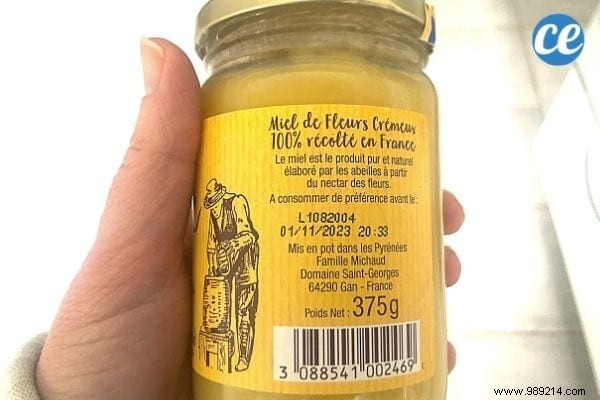
- Check for "100% pure honey" with no additives.
- Look for "Honey collected and potted by the beekeeper."
- Verify the best before date (DLUO) doesn't exceed 2 years.
- Note the origin, like Provence, Jura, or Pyrenees, for quality assurance.
- Identify the floral source: lavender, acacia, chestnut, etc., which influences flavor.
- Prioritize organic if possible.
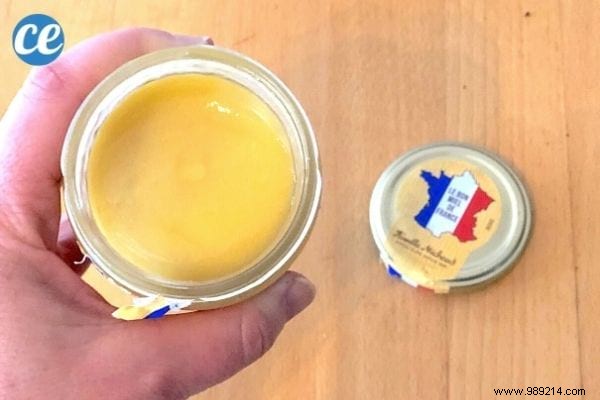
Authentic honey boasts a natural golden or yellow hue, though dyes can mimic this. Examine closely for imperfections like pollen, beeswax, or propolis—these are signs of purity.
Real honey may crystallize evenly after 6-12 months, which is normal and indicates quality.
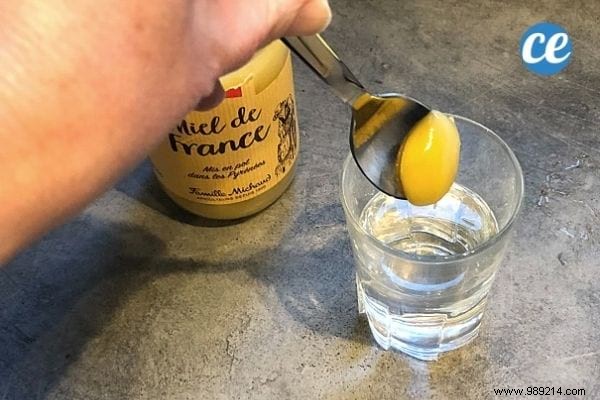
Fill a glass with cold water and drop in a teaspoon of honey. If it sinks intact without dissolving, it's genuine.
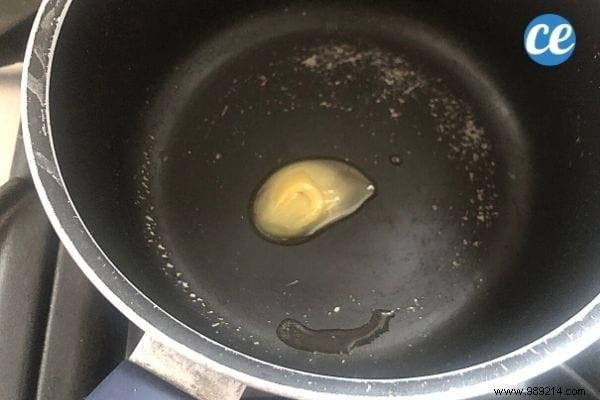
Heat a small amount in a pan. Pure honey caramelizes quickly without foaming. Foaming suggests adulteration.
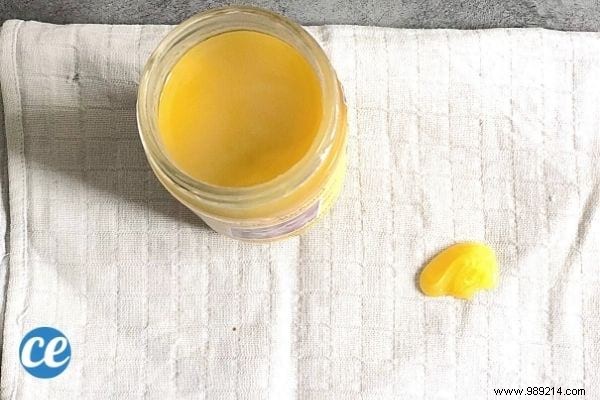
Dab honey on a white cloth and wash. If stains remain, it's fake due to dyes. Clean removal confirms real honey.
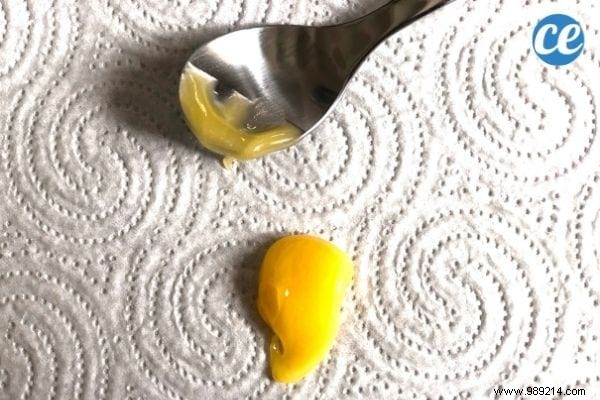
Drop honey on a paper towel. If it stays compact without soaking in, it's authentic. Quick absorption indicates fakes.
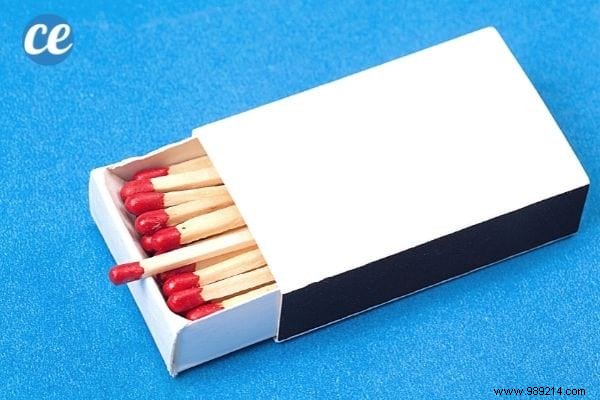
Coat a matchstick with honey and ignite. If it lights easily, it's real. Difficulty lighting points to high water content in fakes.
Armed with these tests, you'll confidently select pure honey. France consumes nearly 45,000 tonnes annually, but only half is domestic—much of the rest from China is suspect, per Que Choisir investigations.
Real honey offers proven health benefits, perfect for recipes like honey-garlic shrimp or beauty routines.
Avoid "aphrodisiac" honeys like Black Horse; they're adulterated with drugs like Viagra and deemed illegal by DGCCRF, DGDDI, and ANSM.
