
Wondering how many times you can reuse frying oil before it goes bad? Is it truly safe? As a seasoned home cook with insights from professional chefs and organizations like UFC-Que Choisir, I'll share evidence-based advice on reusing oil safely.
Yes, you can reuse frying oil multiple times without health risks—under the right conditions. Here's how to do it right.


There's no need to discard frying oil after every use. Professional caterers report that high-quality oil can be reused up to 5 times consecutively. UFC-Que Choisir even suggests up to 10 uses. This saves money without compromising safety.
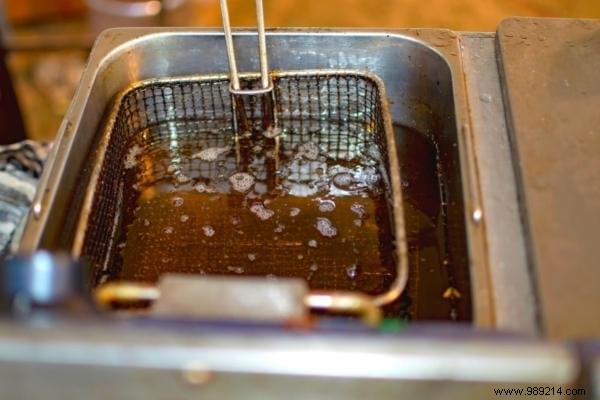
Stay vigilant about the oil's appearance and texture. Key signs it's time to replace it include a dark brown color, excessive viscosity, foul odor, or heavy smoking when heated. These indicate harmful buildup. For precision, consider investing in a frying oil tester to avoid waste.

Overused oil degrades, losing quality and potentially becoming toxic. Initially, it just affects taste, but when polar compounds exceed 25%—a threshold regulated for safety—it poses risks like indigestion, diarrhea, and long-term carcinogenic effects. Regulations ensure levels stay below this limit to protect health.
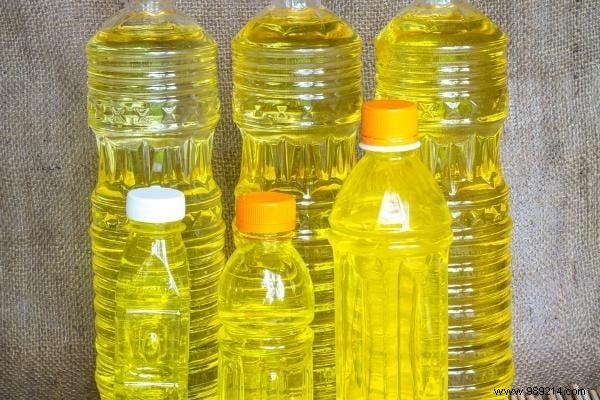
Choose heat-stable oils like peanut, vegetable, or "frying-specific" varieties over olive oil, which releases toxins at high temperatures despite its health benefits elsewhere. Heat to 160–190°C: too low makes food greasy; too high accelerates degradation.
Avoid water contamination—pat food dry to prevent foaming. After use, filter through a fine strainer, coffee filter, or cheesecloth to remove particles. Store cooled, filtered oil in an airtight bottle in the fridge for up to 3 weeks.
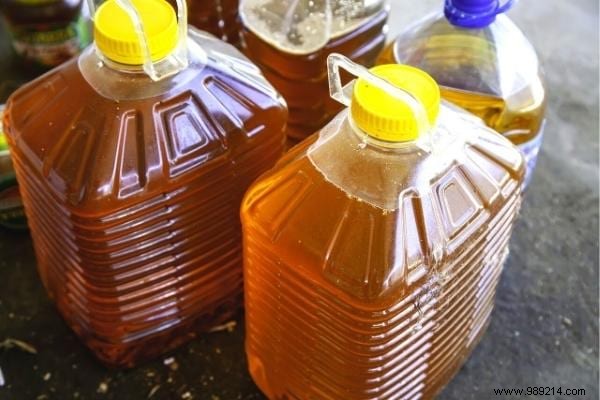
Oil doesn't last forever. Never pour it down the drain or toilet—it clogs pipes and harms the environment. Cool it, store in a sealed container, and take to a recycling center. As a last resort, dispose with non-recyclable waste.
