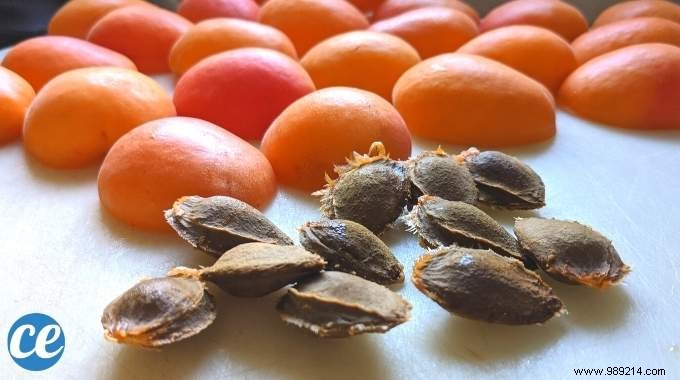
As a home cook and gardener who's long embraced zero-waste living, I've learned to transform apricot pits—those hard kernels we typically discard—into versatile kitchen and garden assets. Guided by my grandmother's time-tested wisdom, here are 5 practical reasons to save apricot pits and put them to everyday use. Keep a jar handy; you'll be amazed at their potential. Watch:

When baking fruit pies, excess juice from the fruit can leave the crust soggy and undercooked. Pre-bake the empty dough shell to avoid this, but it often puffs up, making it hard to add fillings evenly.
The solution? Scatter a handful of clean apricot pits across the dough before baking. Once it starts to brown, remove the pits and layer in your fruit for a perfectly crisp base.
Apricot pits make a delightful homemade eau-de-vie, a traditional fruit brandy. In a saucepan, combine 500 ml water and 300 g brown sugar. Heat gently to dissolve into a syrup.
Pour into a wide-necked jar, add 60 apricot kernels and 500 ml white alcohol (60-90% ABV). Seal tightly and macerate in a cool, dark place for 30 days. Strain and enjoy—the flavor deepens with age.
Grandmothers knew the secret to exceptional apricot jam: a touch of pit flavor. Crack open 4 kernels carefully with a hammer to extract just the inner almonds—avoid crushing them, as that releases potentially toxic compounds.
Add them during cooking as usual. Remove or leave in post-cook (don't eat them). The result? Intensely aromatic jam with authentic depth.
Clay pebbles drain and aerate soil in pots, but they're pricey. Dried apricot (or peach) pits work just as well for free.
Sun-dry them for a few weeks to prevent sprouting, then layer at the pot bottom. Effective, sustainable drainage achieved.
Plant pits to cultivate new trees—nature's full circle. Pot a few in soil, cover lightly, and wait. Sprouts appear in months.
Transplant when they have 3-4 leaves. I bulk-plant pits from apricots, peaches, and nectarines in one pot each spring, yielding 2-4 viable saplings annually for my patio or to gift friends.
Patience pays off: first fruits in 5-7 years, but homegrown taste is unmatched.

This vibrant orange gem brims with antioxidants, vitamins B, C, E, provitamin A, plus selenium, iron, magnesium, potassium, zinc, copper, and malic acid. It brightens skin, boosts complexion, and energizes.
