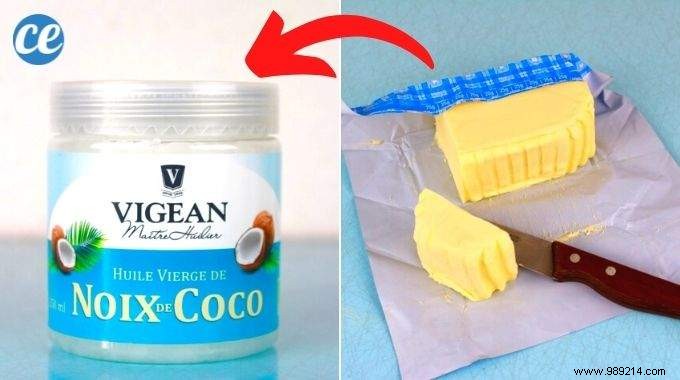
As a home cook with years of experience incorporating natural ingredients, I've found coconut oil to be an exceptional alternative to traditional fats. It's packed with health benefits and imparts a subtle, pleasant flavor to dishes.
Switching to virgin, cold-pressed coconut oil transformed my cooking routine without any regrets. Choose high-quality options—avoid refined or chemically processed varieties.
Ready to elevate your meals? Here are 10 practical ways to use coconut oil in the kitchen. Watch how it works:
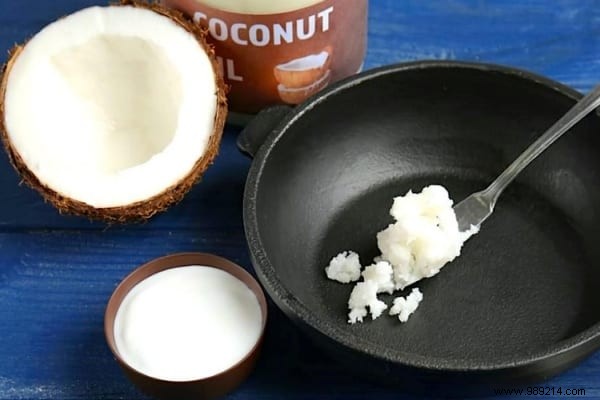
Coconut oil shines for frying thanks to its high smoke point of 177°C. This is the temperature where oils start smoking continuously, so it stays stable for pan-frying vegetables and more.
Unrefined, pure coconut oil adds an exotic flavor twist. If you prefer neutrality, opt for deodorized versions.
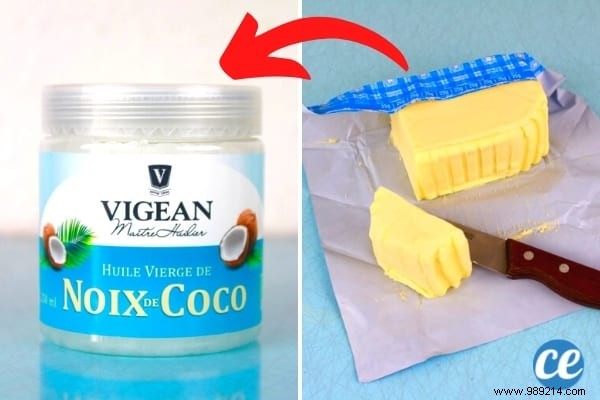
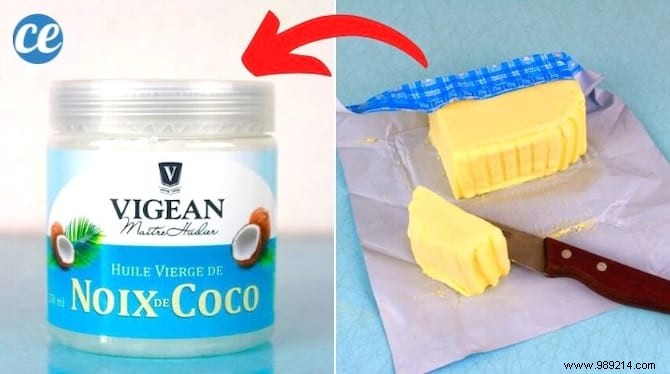
Coconut oil seamlessly substitutes butter in baking like chocolate cakes, cookies, and pastries. It's ideal for lactose-intolerant cooks seeking a healthy swap.
I use it in my brownies—the chocolate-coconut combo is unbeatable. For savory bakes, neutral coconut oil pairs best. Plus, it melts quickly, perfect for time-pressed bakers.
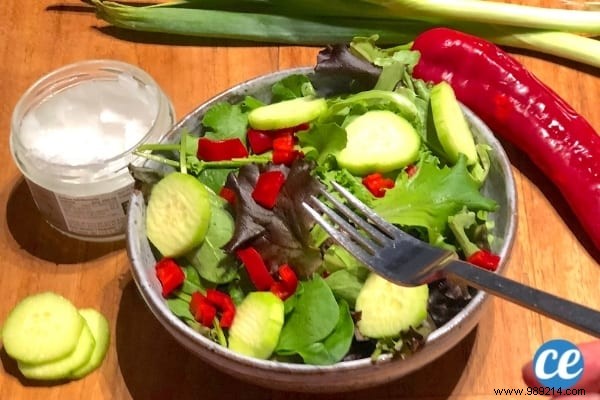
Elevate salads beyond olive or nut oils with coconut oil vinaigrette. Pair it with wine or balsamic vinegar for an exotic edge.
Try mango vinegar or fruit pulp for bolder flavors—I add pomegranate seeds for a crowd-pleasing touch.
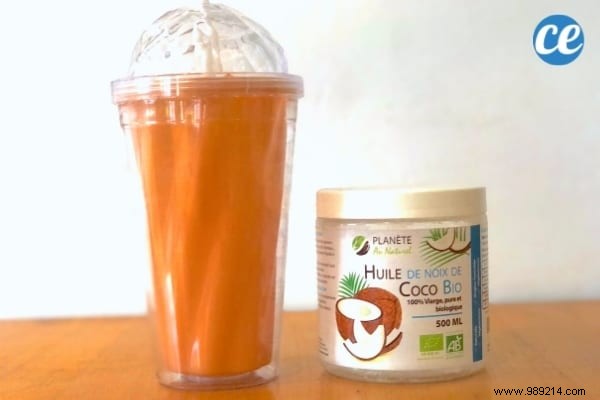
Adding 1 tablespoon of coconut oil per smoothie enhances creaminess and nutrition without overpowering. It's natural and healthy in moderation.
Great in green, mango, or papaya blends. For a simple recipe: sliced bananas, 10 cl yogurt, ice, and coconut oil—blend smooth for a refreshing treat.

Simplify glazes with coconut oil: melt 6 cl liquid coconut oil, 200 g chopped chocolate, and 6 tbsp agave syrup in a bain-marie. Pour over chilled cake for a glossy finish.
Sprinkle coconut shavings for contrast—my go-to for elegant desserts.

Coconut oil excels as a deep-frying medium, replacing standard vegetable oils for fries, donuts, or tempura.
For tempura: mix 50 g flour, 25 g cornstarch, 10 cl water, and 1 egg yolk. Dip prawns or veggies (asparagus, peppers), then fry in hot coconut oil.
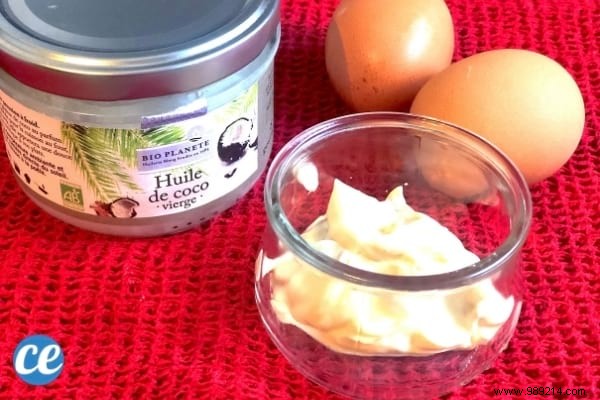
Liquid coconut oil (melted in bain-marie) transforms classic mayo. Gradually emulsify into eggs, mustard, and vinegar.
Exotic twist: mango vinegar and turmeric mustard for vibrant flavor.

Swap butter for chilled coconut oil (solid like coconut butter) on toast or rusks. Refrigerate jars for easy spreading—pairs perfectly with jam or honey.

Plant-based and versatile, coconut oil replaces animal fats in vegan doughs. Mix 200 g flour, 8 cl water, 2 tsp coconut oil, and 2 tsp vanilla extract. Roll, add fruit, bake 15 minutes.
Vegans love this simple secret for tarts.
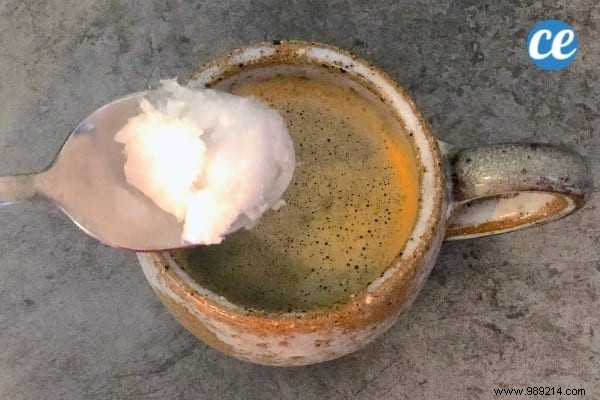
Bulletproof coffee: stir 1 tsp coconut oil into coffee for metabolism support and steady energy without sugar spikes. Skip added sugar—its satiety makes it a great appetite suppressant.
Now, deeper insights into coconut oil.
Grown in Asia, Africa, Central America, and Pacific Islands, one tree yields 50-150 coconuts yearly. Oil extracts from the flesh via cold-pressing into milk, then separating cream, water, and oil.
Note: Virgin coconut oil differs from copra oil (dried flesh, refined, nutrient-poor, used industrially).
Look for "virgin" and "first cold-pressed" labels—organic brands ensure quality. Prefer glass jars for eco-friendliness despite import footprint. It solidifies at room temp; melt in bain-marie.
Rich in medium-chain saturated fats for heart health and anti-arteriosclerosis; quickly metabolized, no artery buildup. High in vitamin E (antioxidant) and lauric acid (48%) for antibacterial, antiviral properties.
Anecdotal Alzheimer's benefits (e.g., Mary Newport's story), but unproven by studies.
Stable at high heat, nutrients intact—superior to many oils for frying. Digests easily, keto-friendly without disrupting ketosis.
Boosts thermogenesis for temporary calorie burn, but effects wane. A helpful ally, not a miracle—studies confirm increased expenditure, though short-term.
Beyond kitchen: moisturizer, makeup remover, hair/nail care.
Safe at 1-3 tbsp/day if virgin. No nut allergens despite name.
Coconuts need minimal pesticides; cold-pressed preserves quality. Organic supports sustainability, offsetting import emissions—far better than palm oil.
Versatile, beneficial coconut oil fits any kitchen. Available at major stores like Carrefour, Leclerc—integrate it daily for healthier, tastier meals.
