Looking to shed pounds with healthy foods? Beans and legumes are excellent choices for a balanced diet, but only if prepared correctly. As nutrition experts know, certain missteps can negate their benefits and stall your progress. Avoid these four pitfalls to harness beans' full potential for weight management.
Protein promotes satiety, helping you adhere to a calorie-reduced diet without constant hunger. However, beans lack complete amino acids—many are low in methionine, abundant in grains, while beans excel in lysine, which grains lack. Pairing them, like beans with rice, creates a powerhouse combo. You don't need to eat them together every time to reap the rewards.
Read also: '7 simple tips for cooking dried beans'
Over 70% of daily sodium comes from processed foods, including canned beans. Sodium levels vary—some cans have none, others exceed 1,000 mg. Excess sodium causes water retention, bloating, and temporary weight gain. Choose low-sodium or no-salt-added options to support your waistline.
Beans plus meat deliver ample protein, and high-protein, low-calorie diets aid weight loss. Yet, plant-based proteins may outperform: A 2016 study showed vegetarians and vegans weigh less than omnivores on average. A 2018 study linked BMI gains mainly to meat frequency. Experiment with plant proteins more often to boost your results.
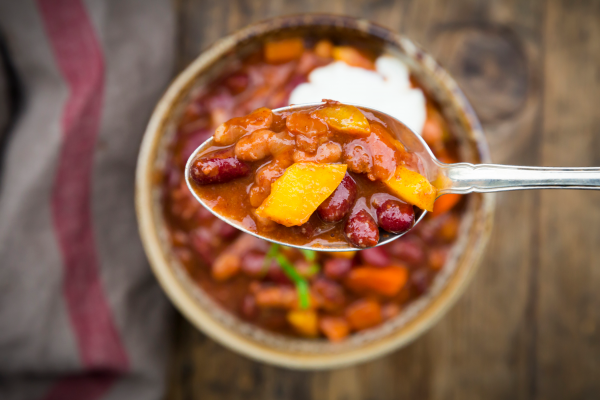
Beans topped with cheese, sour cream, guacamole, and nachos taste great but pack calories that derail dieting. Opt for nutrient-dense, lower-calorie additions instead to stay on track and promote sustainable weight loss.
