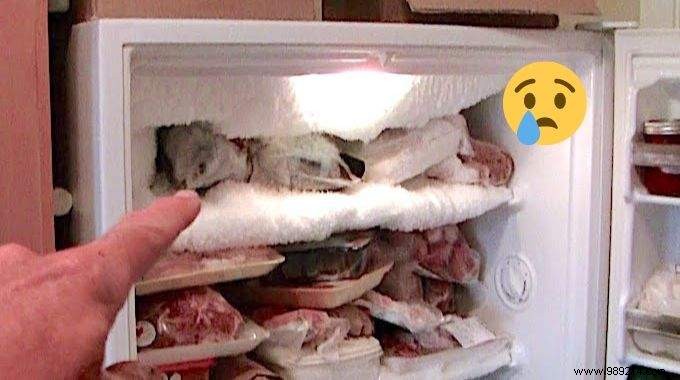
Tired of discovering frost every time you open your freezer? It's incredibly frustrating.
All your food ends up coated in ice, stuck to the walls, wasting precious space and driving up energy costs.
Fortunately, proven strategies can drastically reduce—or even eliminate—frost. As experienced home appliance advisors, we've helped countless households maintain efficient freezers.
Follow these 7 expert tips to keep your freezer frost-free:

Frost develops when moisture contacts the freezer's cold coils, freezing and accumulating on walls or food packages.
This leads to odors, lost storage space, poor door seals, spoiled food, and freezer burn.
Freezer burn results from dehydration due to temperature fluctuations, air exposure, or prolonged storage, forming ice crystals that degrade flavor and texture.
Like many homeowners, you probably dread a freezer turning into an ice block. These practical steps ensure your frozen foods stay in top condition:
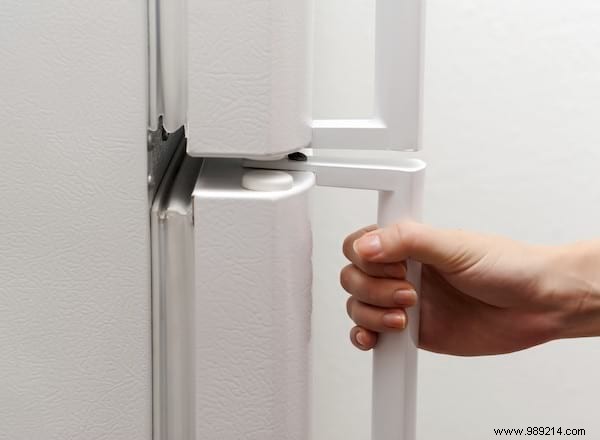
Opening the door lets cold air escape and warm, moist air enter, creating frost as it condenses. Elevated temperatures also force the freezer to work harder, spiking energy use. Minimize openings: plan ahead, gather items, and open only once.
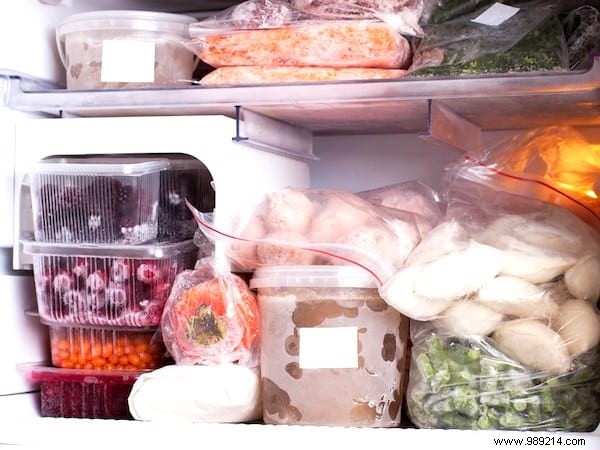
A tidy freezer reduces door-open time, curbing frost. Place frequently used items upfront and those nearing expiration in easy reach to prevent waste.
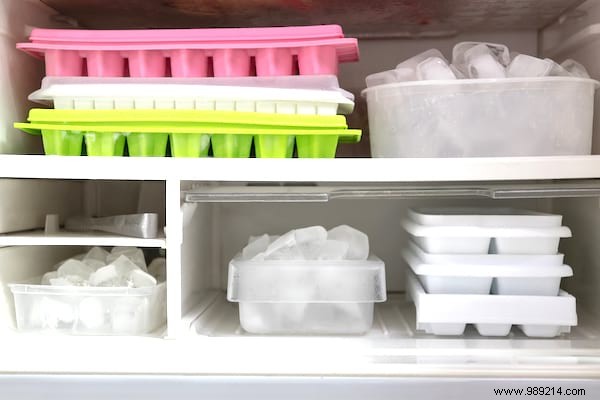
Aim for 1-1.5 kg of food per 30 liters of capacity. Extremes—too empty or stuffed—promote frost. Maintain balanced loads for optimal performance.
Hot items release steam, causing excess humidity. Cool to room temperature, refrigerate for 12 hours, then freeze. This preserves the cold chain and eases compressor strain.
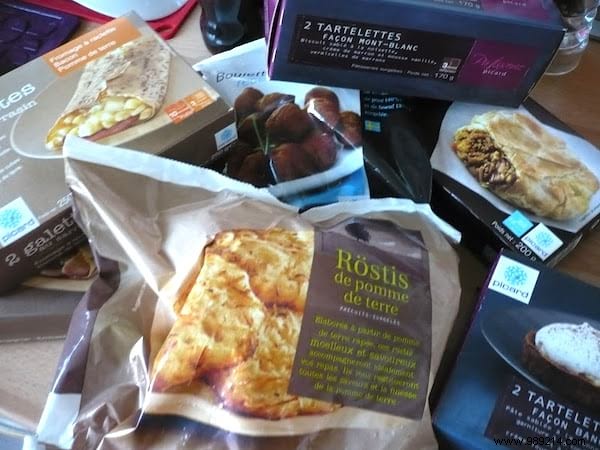
Supermarket frozen goods often thaw slightly en route, leaving moist packaging. Wipe dry with a cloth to halt frost formation.
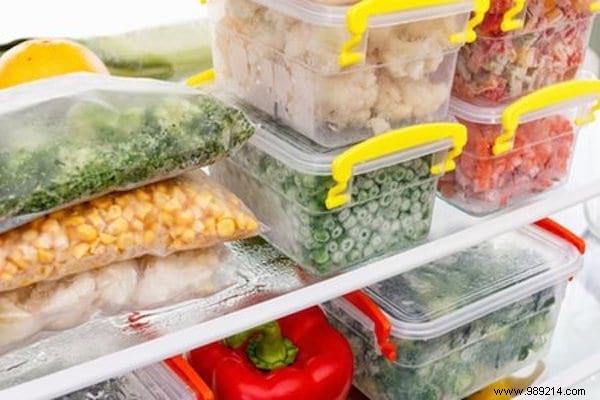
Minimize air pockets with properly sized glass, plastic, or thick freezer bags. Squeeze out excess air and lay flat for best results.
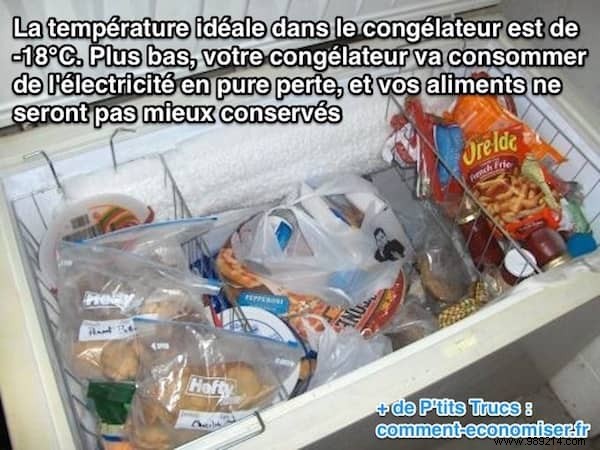
Position indoors, away from heat sources. Target -15°C to -18°C internally. Use a reliable thermometer to monitor. Click here to learn more.
Frost-free models use timers and heaters to auto-defrost, preventing buildup and burn—though they're pricier and less effective when overloaded.
Have these tips worked for you? Share your results in the comments—we'd love to hear!
