
Blueberries rank among the finest summer berries, packed with flavor and nutrition.
As an experienced gardener, I've incorporated them into pies, jams, meat sauces, and countless dishes—they pair perfectly with everything.
Yet their premium price and the challenges of wild foraging make home growing ideal for a reliable supply.
This approach delivers fresh sweetness, plus essential vitamins and minerals, to elevate breakfasts and recipes.

Growing blueberries at home saves money and provides berries on demand. These 6 proven tips, drawn from successful cultivation practices, ensure thriving plants and plentiful yields:
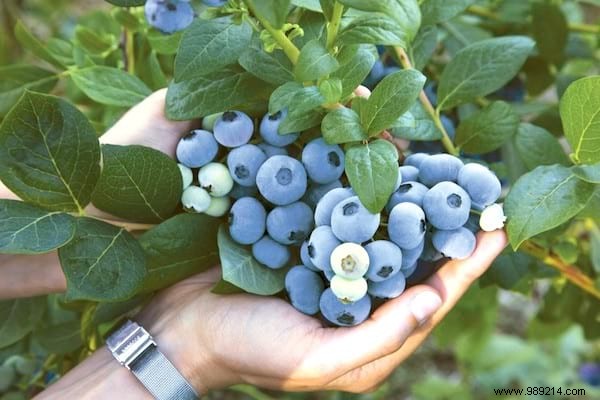
Start by selecting varieties suited to your local climate. Frost-tolerant options like Northland or Atlantic excel in colder areas, while Ivanhoe or Darrow favor temperate zones.
Opt for two complementary varieties to stagger fruiting from July to October, enhancing pollination and extending your harvest.

Blueberries thrive in acidic soil with a pH between 4 and 5. Test your soil using reliable kits—see our guide here for details.
To boost acidity, incorporate pine needles into the planting hole; they naturally acidify over time.
For suboptimal soil or climate, grow in pots to control conditions and move plants as needed for temperature protection.
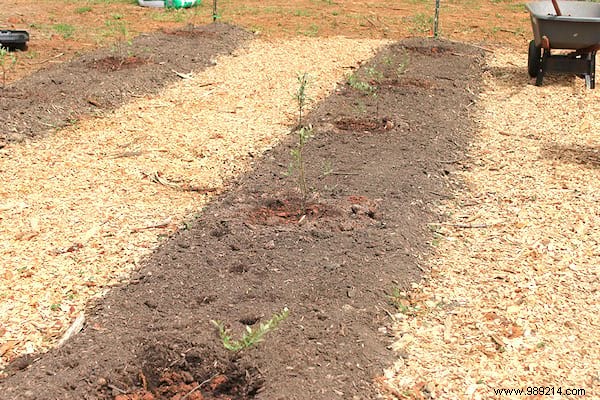
Blueberries demand ample sunlight for vigorous growth and prefer light, slightly sandy soil.
Plant in September for best establishment. Select sunny spots with partial summer shade to prevent scorching.
Space bushes at least 1 meter apart to ensure nutrient access. For pots, use a minimum 45 cm diameter and water generously, especially during dry spells.

As berries ripen, shield plants from birds, insects, and other pests drawn to the fruit.
Simple protection: Install bamboo canes around the bush and drape with food-grade netting.

Well-maintained blueberry bushes yield for up to 20 years. Prune every 2 or 3 years to promote health and longevity.
Note: Pruned plants skip fruiting that year, so stagger pruning across multiple bushes for continuous harvests.
To expand your patch, propagate via cuttings or layering from an existing plant—a new shrub emerges the next year.
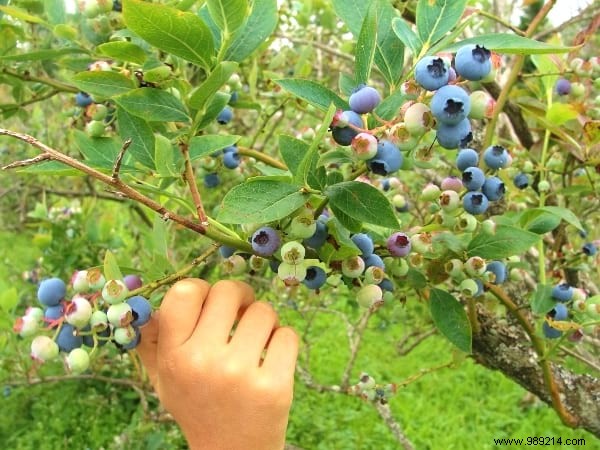
Buds emerge in early spring, with berries ripening from July to October by variety.
Once blueberries turn fully blue, wait a few days—ripe ones detach easily into your hand.
Post-harvest, enjoy the bush's stunning red autumn foliage.
